The WWF is run at a local level by the following offices...
- WWF Global
- Adria
- Argentina
- Armenia
- AsiaPacific
- Australia
- Austria
- Azerbaijan
- Belgium
- Bhutan
- Bolivia
- Borneo
- Brazil
- Bulgaria
- Cambodia
- Cameroon
- Canada
- Caucasus
- Central African Republic
- Central America
- Central Asia
- Chile
- China
- Colombia
- Croatia
- Democratic Republic of the Congo
- Denmark
- Ecuador
- European Policy Office
- Finland
- Papua New Guinea
- Paraguay
- Peru
- Philippines
- Poland
- Portugal
- Regional Office Africa
- Romania
- Senegal
- Serbia
- Singapore
- Slovakia
- Slovenia
- South Africa
- South Pacific
- Spain
- Suriname
- Sweden
- Switzerland
- Tanzania
- Thailand
- Turkey
- Uganda
- Ukraine
- United Arab Emirates
- United Kingdom
- United States
- Vietnam
- Zambia
- Zimbabwe
Camino y energía solar para fortalecer Los Tres Gigantes del Pantanal
English below
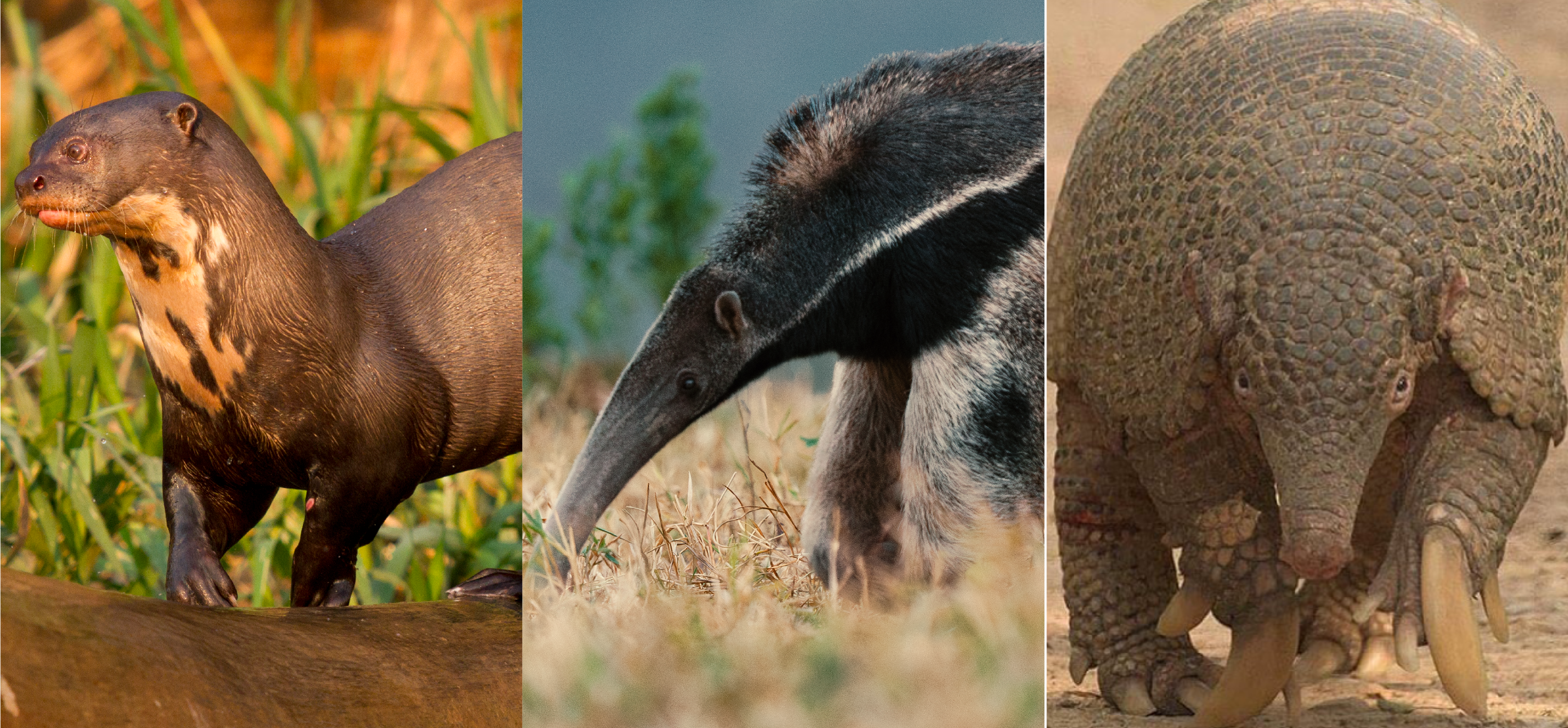
La nutria gigante (Pteronura brasiliensis), el oso hormiguero (Myrmecophaga tridactyla) y el tatú carreta o armadillo gigante (Priodontes maximus) son tres de los grandes mamíferos del Pantanal paraguayo y enfrentan importantes amenazas. En su honor nació la Estación Biológica “Los Tres Gigantes”, un territorio dedicado a proteger la biodiversidad y los ecosistemas que hacen posible su existencia.
Ubicada en el complejo de Reservas Pantanal Paraguayo y administrada por Guyra Paraguay, la Estación es un sitio estratégico para la conservación, la investigación, el monitoreo y la educación ambiental, y recibe a visitantes interesados en conocer la naturaleza del Pantanal. Sostener una presencia activa allí es esencial, pero su ubicación remota lo hace desafiante.
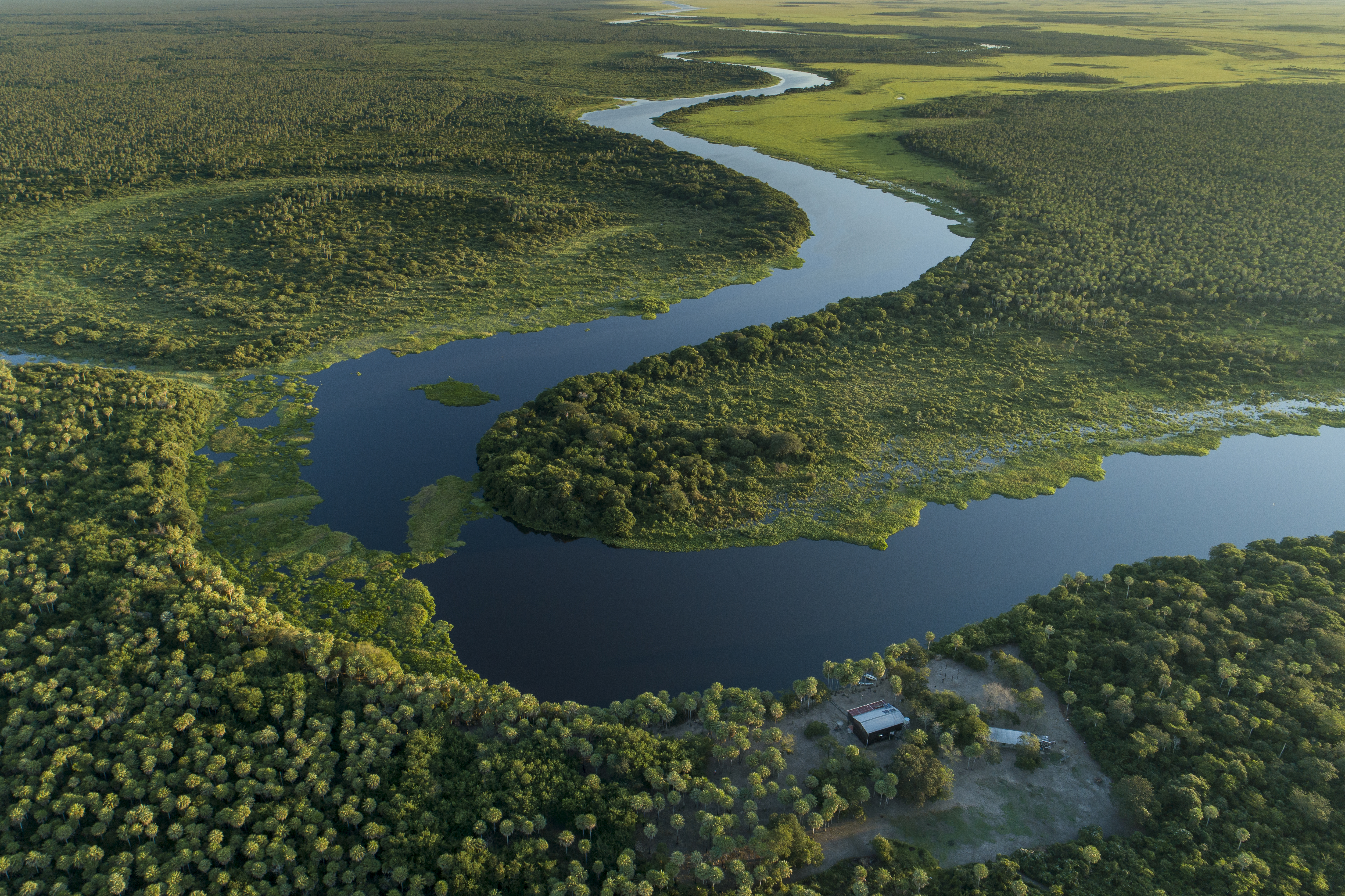
Durante la época de lluvias, llegar a la Estación es especialmente difícil. Además, el sitio no cuenta con conexión a la red eléctrica, lo que limita las condiciones de habitabilidad y la continuidad de las actividades.
En este contexto, WWF Paraguay, en el marco de los proyectos Pantanal Regional Program y SuLu (Salvaguardando ecosistemas subvalorados: protección, manejo y restauración de pastizales y sabanas), apoyó mejoras para facilitar la permanencia y el trabajo en la estación:
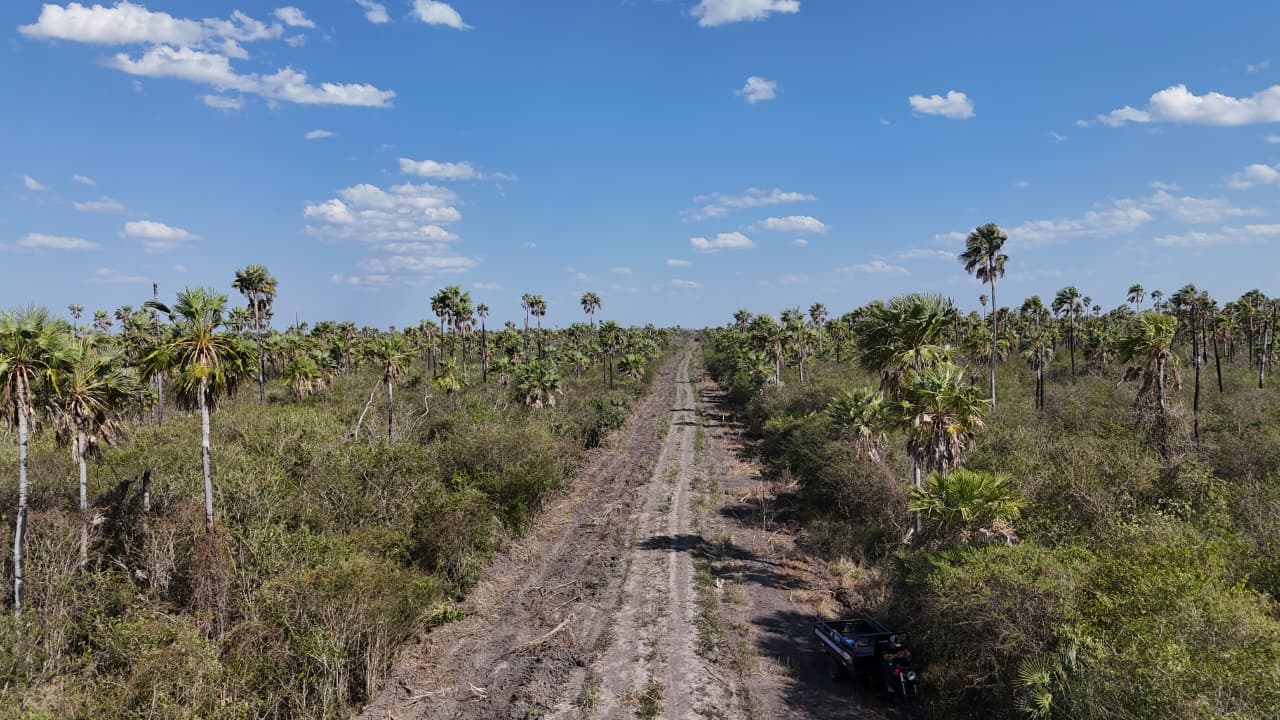
- Camino de acceso: se acondicionaron aproximadamente 22 km, que permiten el ingreso y la salida por vía terrestre durante todo el año de guardaparques, visitantes, equipos e insumos, sin depender exclusivamente de la navegabilidad del Río Negro. Esto también fortalece la prevención y respuesta ante incendios forestales, al facilitar el ingreso oportuno de brigadas, bomberos y guardaparques.
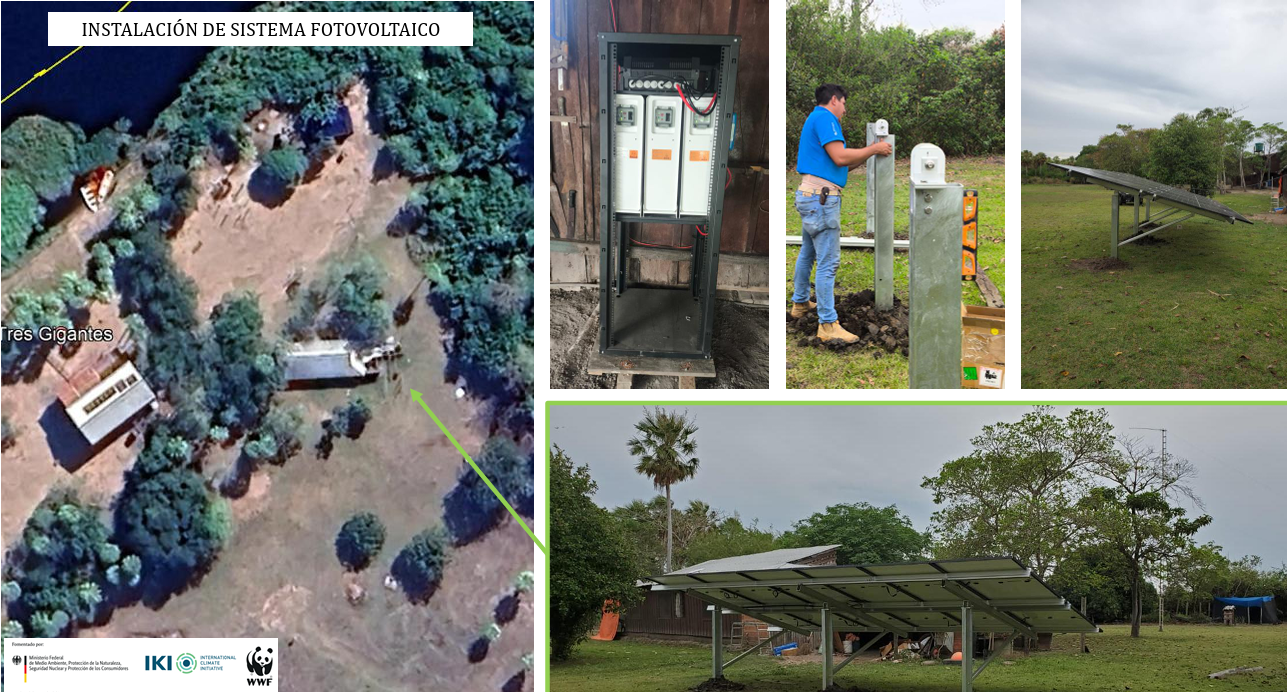
- Energía solar: se instaló un sistema de 12 paneles solares y 3 baterías, que genera y almacena energía donde no existe red eléctrica. Así, la estación cuenta con electricidad para habitar, trabajar y mantener sus actividades todo el año.
Estas mejoras son más que una inversión en infraestructura: crean las condiciones para que la conservación se sostenga en el territorio, con capacidad de permanecer, monitorear y responder ante las amenazas al Pantanal, y de desarrollar investigación, educación y turismo de naturaleza.
Fortalecer Los Tres Gigantes es garantizar un punto clave para la conservación del Pantanal paraguayo y proteger sus humedales y la biodiversidad que allí tiene su hogar.
The giant otter (Pteronura brasiliensis), the giant anteater (Myrmecophaga tridactyla) and the giant armadillo (Priodontes maximus) are three of the large mammals of the Paraguayan Pantanal, and they face significant threats. The “Los Tres Gigantes” Biological Station was created in their honor: a territory dedicated to protecting the biodiversity and ecosystems that make their existence possible.
Located within the Paraguayan Pantanal Reserves complex and managed by Guyra Paraguay, the Station is a strategic site for conservation, research, monitoring and environmental education, and welcomes visitors who want to experience the Pantanal’s nature. Maintaining an active presence here is essential, but its remote location makes it challenging.
During the rainy season, reaching the Station is especially hard. The site also has no connection to the power grid, which limits living conditions and the continuity of activities.
In this context, WWF Paraguay, through the Pantanal Regional Program and SuLu (Safeguarding Undervalued Ecosystems: Protection, Management and Restoration of Grasslands and Savannas) projects, supported improvements to make staying and working at the station easier:
- Access road: approximately 22 km were upgraded, allowing rangers, visitors, equipment and supplies to come and go by land year-round, without relying solely on the navigability of the Negro River. This also strengthens wildfire prevention and response by enabling timely access for brigades, firefighters and rangers.
- Solar power: a system of 12 solar panels and 3 batteries was installed, generating and storing power where there is no grid. The station now has electricity for living, working and keeping its activities running year-round.
These improvements are more than an infrastructure investment: they create the conditions for conservation to be sustained on the ground, with the capacity to stay, monitor and respond to threats to the Pantanal, and to carry out research, education and nature tourism.
Strengthening Los Tres Gigantes means securing a key point for the conservation of the Paraguayan Pantanal and protecting its wetlands and the biodiversity that calls them home.